Source refillable eco friendly rosin jar for Storage, Spices, and Kitchen
Compare 30 listings for refillable eco friendly rosin jar options featuring child-resistant lids and custom colors. Buyers can evaluate specifications like capacity, material, and packaging from verified manufacturers in China.
Key considerations
Products List


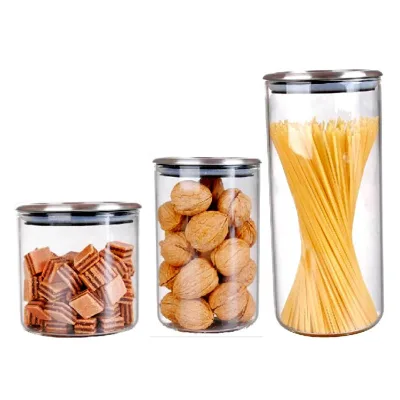


Comprehensive Sourcing Guide
Strategic Sourcing Guide for Refillable Eco-Friendly Rosin Jars
Understanding Product Definitions and Core Attributes
When sourcing refillable eco-friendly rosin jars, buyers must first distinguish between general spice containers and specialized storage vessels designed for viscous concentrates. The market offers a diverse array of products, ranging from manual pepper and salt grinders to specialized glass jars with child-resistant closures. In the context of rosin, a solventless cannabis extract, the primary requirement is a vessel that ensures airtight sealing to preserve terpene profiles while preventing leakage. The observed product landscape includes items explicitly labeled for "Spice Jar" usage, yet the functional requirements for rosin storage demand higher standards of leak-proofing and odor containment.
The material composition is a critical differentiator. While some observed listings feature plastic bodies, high-performance rosin storage typically relies on glass jars, which are chemically inert and do not interact with the extract. The data indicates the availability of glass jars with specific volume standards, such as 1oz to 6oz capacities, which align well with common retail packaging sizes for concentrates. Furthermore, the shape of the container, whether square or round, impacts stacking efficiency and shelf presence. Buyers should verify that the "refillable" aspect of the product is genuine, ensuring the closure mechanism allows for repeated opening and closing without degradation of the seal integrity. The presence of a "Child Resistance Lid" is a significant attribute observed in the market, providing an essential safety layer for products that may be regulated or require secure storage away from minors.
Technical Specifications and Material Compatibility
Selecting the correct technical specifications is paramount for maintaining product quality. The standard volume ranges observed in the market span from 5ml to 2250ml, though for rosin, the 1oz to 10oz range is most relevant. A critical technical specification to verify is the closure type. The market features "Screw Lid" and "Child-Resistant" closures, often with single-wall construction. For rosin, which is sensitive to temperature and oxidation, the jar must offer a hermetic seal. The "Smell Proof" and "Leak Proof" features observed in certain listings are non-negotiable for this application, as rosin can be highly aromatic and prone to leaking if the seal fails.
Surface treatment and customization options also play a vital role in the technical evaluation. Listings indicate that surface treatments can be customized to include bright, matte, frosted, or color-coated finishes. While aesthetic customization is available, buyers must ensure that the coating process does not compromise the structural integrity of the glass or the safety of the seal. The "Lid Color" is often customizable, with options including black, white, and green. Black lids are particularly relevant for rosin storage as they provide light protection, which helps preserve the potency of the extract. The "Disposable" attribute is generally marked as "No" for high-quality rosin jars, confirming their intended use as durable, refillable units.
| Feature Category | Observed Market Attributes | Relevance to Rosin Storage |
|---|---|---|
| Material | Glass, Plastic | Glass is preferred for chemical inertness; plastic requires verification for solvent resistance. |
| Closure Type | Screw Lid, Child-Resistant | Essential for safety and preventing leakage of viscous concentrates. |
| Seal Quality | Smell Proof, Leak Proof | Critical for preserving terpene profiles and preventing product loss. |
| Volume | 1oz-6oz, 10oz, 2250ml | 1oz-6oz is standard for retail; larger volumes for bulk storage. |
| Light Protection | Black Lid, Frosted Finish | Protects sensitive cannabinoids from UV degradation. |
| Customization | Logo Printing, Color Coating | Allows for brand differentiation while maintaining functional integrity. |
Compliance, Certification, and Regulatory Alignment
Navigating the regulatory landscape for rosin storage requires a rigorous approach to certification and compliance. The supply chain for these products often involves multiple jurisdictions, and buyers must verify that the manufacturing process adheres to relevant food and safety standards. Observed product attributes list certifications such as LFGB and FDA. While these certifications are typically associated with food-grade materials, their presence indicates a baseline level of safety and quality control in the manufacturing facility. For rosin, which is often consumed similarly to food products, these certifications provide assurance that the jar materials will not leach harmful substances into the concentrate.
However, buyers should exercise caution when interpreting these certifications. The presence of LFGB and FDA marks on a product listing does not automatically guarantee that the specific batch or model is certified for cannabis-related applications, as regulations vary by region. It is essential to request specific documentation from the supplier confirming that the glass and the closure components meet the safety standards required in the target market. Additionally, while some background information mentions standards like EN 13432 or ASTM D6400, these are generally associated with compostable materials and should not be assumed to apply to glass rosin jars unless explicitly verified. The primary focus should remain on the inertness of the glass and the safety of the closure mechanism.
Cost Drivers and Pricing Dynamics
The cost of sourcing refillable eco-friendly rosin jars is influenced by several variables, including material quality, customization complexity, and order volume. The observed price range in the market spans from $0.01 to $2.83 per unit, a wide disparity that reflects differences in glass thickness, lid complexity, and branding options. Lower-priced units often correspond to standard, unbranded glass jars with basic screw lids. As the level of customization increases—such as adding silk screen printing, hot stamping, or decals—the unit cost rises. The "Customization" attribute is widely available, but buyers must understand that custom colors, specific lid types, and unique surface treatments will incur additional tooling or setup fees.
Minimum Order Quantity (MOQ) is another significant cost driver. The market data shows MOQs ranging from 500 pieces to 20,000 pieces, with some listings suggesting a minimum of 3,000 or 5,000 units for specific models. Buyers with smaller volume requirements may face higher per-unit costs or need to negotiate with suppliers who offer "contact for smaller quantity" options. The "Factory Directly Sale" advantage mentioned in some listings suggests that purchasing directly from the manufacturer can reduce costs, but it also requires the buyer to manage the logistics and quality assurance processes that a trading company might otherwise handle. Shipping costs, including sea and air freight options, also impact the total landed cost, particularly for heavy glass products.
Typical Applications and Usage Scenarios
While the core keyword focuses on rosin, the observed product attributes reveal a broader application spectrum. These jars are marketed for use in "Home," "Restaurant," and "Kitchen" settings, as well as for "Storage, Dry Flowers, Spices, Powder, Gummies, and Cream." This versatility indicates that the physical design of the jar is robust enough to handle various viscous and dry substances. For rosin specifically, the "Usage" as a "Spice Jar" or "Powder" container suggests that the jar's internal geometry is suitable for scooping or dispensing thick extracts.
The "Occasion" of use is primarily domestic and commercial storage. The "Sustainable" and "Stocked" features observed in the market highlight a growing demand for eco-friendly packaging solutions that can be reused. This aligns with the "refillable" nature of the product, allowing consumers to purchase concentrates in bulk and transfer them to durable, branded jars. The "Child Resistance Lid" is particularly relevant for applications where the product is stored in households with children, ensuring that the rosin remains secure. The ability to customize the "Logo" and "Color" allows brands to create a cohesive look across their product line, whether for retail sale or direct-to-consumer distribution.
Supplier Evaluation and Quality Control Protocols
Evaluating suppliers for rosin jar procurement requires a multi-faceted approach that goes beyond price comparisons. Buyers should prioritize suppliers who demonstrate transparency in their production processes and offer clear communication regarding sample fees and lead times. The "Advantage" of "Stable Production" is a key indicator of a reliable supplier, suggesting consistent output and quality. When assessing potential partners, buyers must verify the "prod_origin," with locations such as Ningbo and Shandong in China being prominent hubs for glass and packaging manufacturing.
Quality control is a critical step in the procurement process. Buyers should request samples to test the "Leak Proof" and "Smell Proof" claims firsthand. The "Surface Treatment" should be inspected for durability, ensuring that the matte, frosted, or color-coated finishes do not chip or peel during normal handling. The "Closure Type" must be tested for thread integrity and the effectiveness of the child-resistant mechanism. It is advisable to establish a clear quality assurance protocol that includes pre-shipment inspections, particularly for large orders where the risk of defects increases. The "Sample" attribute often requires direct contact for exact fees, so buyers should be prepared to invest in high-quality samples before committing to a bulk order.
Long-Term Procurement and Sustainability Considerations
Long-term procurement strategies for refillable rosin jars should focus on sustainability and supply chain resilience. The "Eco-Friendly" aspect of the core keyword implies a desire for packaging that minimizes environmental impact. While the market data mentions "Sustainable" as a feature, buyers should verify the specific sustainability claims, such as the recyclability of the glass and the durability of the components. The "Customized Accepted" attribute for color and logo allows brands to align their packaging with corporate sustainability goals, such as using recycled materials or reducing packaging waste.
Supply chain stability is another long-term consideration. The "Freight" options of sea and air freight provide flexibility, but buyers should plan for potential disruptions by maintaining relationships with multiple suppliers or securing inventory buffers. The "Stocked" feature indicates that some suppliers maintain ready inventory, which can reduce lead times for urgent orders. However, for custom orders, lead times may vary, and buyers should negotiate clear delivery schedules. Ultimately, the goal is to establish a partnership that supports consistent product quality, regulatory compliance, and brand integrity over time. By focusing on these long-term factors, buyers can ensure a reliable supply of high-quality refillable rosin jars that meet the evolving needs of the market.
FAQs
Can these jars be customized with logos and colors?
Yes, customization is available for logos and colors. Buyers can request silk screen printing, hot stamping, or decals, and lid colors can be selected from black, white, green, or custom options to match brand identity.
What certifications do the jar materials hold?
The jars hold LFGB and FDA certifications. These marks indicate that the materials meet specific food-grade safety standards, ensuring the glass and plastic components do not leach harmful substances into stored contents.
Which closure types are available for secure storage?
Available closure types include screw lids and child-resistant lids. These features ensure the jars are leak-proof and smell-proof, providing essential safety for households and preventing accidental access by children.
How much is the minimum order quantity for these jars?
The minimum order quantity typically starts at 500 pieces. Some listings suggest contacting suppliers for smaller quantities, while other specific models may require orders of 3,000 or 5,000 units depending on customization.
What are the standard volume capacities for these containers?
Standard capacities range from 5ml up to 2250ml, with common retail sizes between 1oz and 10oz. Buyers can select from various volume standards to suit different storage needs for spices, powders, or concentrates.
Where are these jars manufactured and shipped from?
These jars are manufactured in Ningbo and Shandong, China. Suppliers offer shipping via sea or air freight, with stable production capabilities ensuring consistent supply for international buyers requiring reliable logistics.
What materials are used to construct these jars?
Jars are constructed from glass or plastic materials. Glass is preferred for chemical inertness, while plastic options are also available. Both materials can be treated with bright, matte, or frosted finishes for aesthetic customization.